

Paint Correction Belleville Ontario – The Truth About One-Step vs 3 Stage Correction

Updated: Apr 24
Many vehicle owners hear the term “3 stage paint correction” and assume it always means three separate correction stages are being performed. In reality, that is not always the case. Some services marketed as multi-stage correction are actually completed using a single all-in-one compound or polish designed to cut, refine, and enhance gloss in one step. While these products have their place, they are not the same as a true multi-stage paint correction process focused on maximum defect removal, refinement, and long-term coating-safe preparation.
For vehicle owners searching for paint correction in Belleville Ontario, understanding the difference between one-step polishing or 3 in 1 correction and true multi-stage correction is essential.
Proper preparation is critical before any ceramic coating is applied.
Proper preparation is critical before any ceramic coating is applied. Learn more about our ceramic coating systems and how proper installation impacts long-term performance.
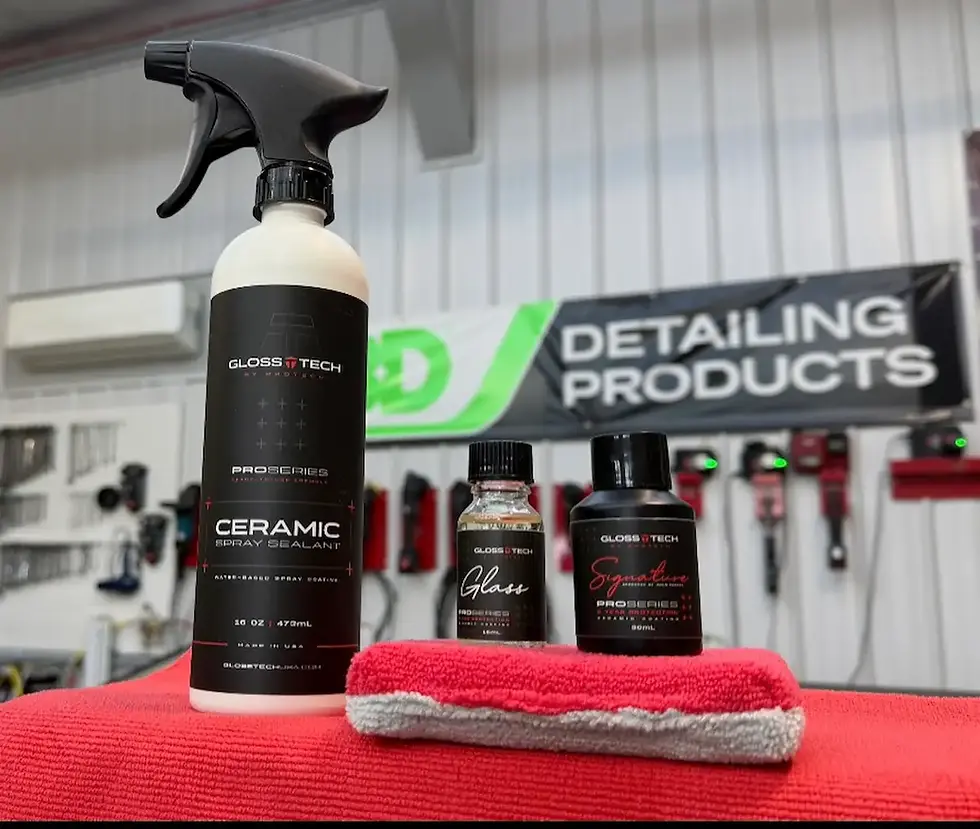
We install advanced ceramic resin systems designed for long-term durability — you can also explore our professional coating systems here.

Paint Correction Belleville Ontario – One-Step vs Multi-Stage Explained
In many cases, the term “3 stage paint correction” is used loosely to describe a product or system that claims to cut, polish, and finish in a single step. These all-in-one polishing systems are often designed for speed and convenience rather than maximum defect removal. While they can improve gloss and reduce the appearance of imperfections, they are not the same as a true multi-stage correction process.
Why One-Step or All-in-One, or 3 in 1 Systems Are Different
One-step or all-in-one polishing systems are often used in production-style environments where speed and volume are prioritized. These products are typically built around diminishing abrasives — meaning they start with more cutting ability and break down into a finer polish as they are worked. While this can improve gloss quickly, it often results in less overall defect removal and less refinement compared to a true multi-stage process.
Many all-in-one systems may also contain fillers or gloss enhancers that can temporarily mask imperfections rather than fully remove them. This can create a visually improved finish in the short term, but does not always reflect the true condition of the paint once those fillers are removed.
Why Body Shop Safe Matters Before Ceramic Coating
When preparing a vehicle for ceramic coating, the condition of the paint surface is critical. A simple rule of thumb is this: if a product is not body shop safe, it should not be trusted as proper ceramic coating preparation.
Many all-in-one polishing systems contain fillers, gloss enhancers, or other additives that can interfere with surface purity. These materials may temporarily improve appearance but can be removed during the coating preparation process, revealing underlying defects that were never truly corrected.
Ceramic coatings require a properly cleaned and corrected surface to bond effectively. If the polishing system used is not body shop safe, it introduces variables that can compromise coating performance, durability, and overall results.
If a product is not body shop safe, it should not be considered ceramic coating safe.
Proper preparation is especially important in Ontario conditions. You can also read about how protection holds up in real conditions in our winter protection guide.
Why You Don’t See Perfect Tape-Line 50/50 Photo?
Many online photos show sharp tape-line “50/50” results, but real professional paint correction is not performed across large panels all at once. Correction is completed in controlled sections — typically around 2’ x 2’ — to ensure consistent results, proper defect removal, and safe working conditions for different paint types.
Modern automotive paint systems can be extremely thin — in some cases around 1.5 mil total film thickness — and with the increased use of tri-coat and multi-stage finishes, aggressive or improper polishing techniques can quickly become risky. Creating hard tape-line separations for social media “may look impressive online” but on certain paints it can introduce unnecessary stress, uneven correction, or even damage if not handled correctly.
While 50/50 images can be useful for demonstration, they do not always reflect how high-quality paint correction is actually performed in a professional environment.
Real paint correction is done section by section — not staged for social media, but for safe, consistent results.
The Role of Lighting in Real Paint Correction
Proper lighting is one of the most important parts of paint correction. Professional inspection lighting reveals swirl marks, sanding marks, and defects that are not visible under normal conditions. Without correct lighting, it is easy to miss imperfections or mistake temporary gloss for true correction.
At Scott’s Custom Auto Spa & Ceramic Coatings, paint correction is performed under professional ScanGrip inspection lighting that features adjustable colour temperatures and brightness levels. This allows defects to be identified under different lighting conditions, ensuring the paint is properly corrected rather than simply appearing improved under one specific light source.
Unlike single-temperature contractor or tripod lighting often used in lower-end setups, adjustable lighting systems can be fine-tuned in real time — including Bluetooth control for quick adjustments — to expose defects accurately and confirm true correction before moving to the next stage.
This is why professional shops rely on controlled environments and specialized lighting to evaluate results accurately and consistently.
If you can’t see the defects properly, you can’t correct them properly.
When a One-Step Paint Correction Is the Right Choice
Not every vehicle requires a full multi-stage correction. In some cases, a properly executed one-step correction is the right solution for a daily driver, maintenance service, or a client with specific budget goals. The key is transparency. A professional shop should clearly explain whether the service is a one-step enhancement or a true correction process, so expectations match the results.
Professional Paint Correction in the Quinte Region
At Scott’s Custom Auto Spa & Ceramic Coatings, paint correction is approached as a process — not a shortcut. Every vehicle is assessed individually based on paint condition, defect severity, and client goals. Whether the job calls for a one-step enhancement or a true multi-stage correction, the process is performed in a climate-controlled facility using professional lighting and coating-safe preparation methods for long-term results.
Frequently Asked Questions About Paint Correction
What is the difference between one-step paint correction and true multi-stage correction?
A one-step paint correction improves gloss and reduces lighter defects using a single polishing stage. True multi-stage paint correction uses multiple steps to remove defects, refine the finish, and maximize clarity using different pads, compounds, and techniques.
Are all-in-one polishes safe for ceramic coating preparation?
Not always. Many all-in-one polishes use diminishing abrasives and may contain fillers or gloss enhancers that temporarily improve appearance. These can interfere with proper coating preparation if not fully removed, which is why body shop safe processes are recommended before ceramic coating.
Why is body shop safe important before ceramic coating?
Body shop safe products do not contain fillers, silicones, or masking agents that can interfere with surface preparation. If a product is not body shop safe, it should not be considered ceramic coating safe, as proper bonding requires a clean and properly corrected surface.
Why don’t you use tape-line 50/50 photos?
While tape-line 50/50 photos can look impressive, real paint correction is performed in controlled sections to ensure safe and consistent results. On modern thin or multi-stage paint systems, creating aggressive tape-line separations can increase risk and does not always reflect how professional correction is actually performed.
Does every vehicle need a 3-stage paint correction?
No. Some vehicles benefit from a one-step correction, while others require multiple stages depending on paint condition, defect severity, and the desired result. A proper assessment determines the best approach for each vehicle.
Book a Professional Paint Correction Assessment
Proper paint correction is the foundation of long-term protection. Learn more about our paint correction services and how they prepare your vehicle for ceramic coating.
Serving Brighton, Belleville, Trenton, Quinte West, Prince Edward County, Napanee, Cobourg, Port Hope & surrounding areas across the Quinte Region.
📍 Serving Brighton, Belleville, Quinte West, Prince Edward County, Cobourg, Port Hope & Napanee
📞 613-922-8846



Comments