

Classic & Collector Car Paint Correction, Ceramic Coating & Detailing in the Quinte Region

Updated: 3 days ago

Classic and collector vehicles require a very different approach than modern daily drivers. Older paint systems, restored finishes, and unknown correction history all mean that proper classic car paint correction must be approached with care, control, and experience. At Scott’s Custom Auto Spa, we provide professional classic and collector car paint correction, ceramic coating, and detailing services for vehicle owners in Brighton, Belleville, Trenton, Prince Edward County, Cobourg, and across the Quinte Region.
Why classic and collector cars need a different approach
Not every vehicle should be treated the same. Many classic and collector cars have single-stage paint, older resprays, softer finishes, or thinner paint margins. What works on a newer clear-coated vehicle can be far too aggressive for a vintage or restored finish.
Classic car detailing is not about rushing through a quick polish or simply making the paint look shiny. It is about careful evaluation, controlled correction, and preserving what is already there.
CLASSIC CAR PAINT CORRECTION REQUIRES REFINEMENT, NOT SPEED
Professional classic car paint correction focuses on refinement, not unnecessary aggression. Swirl marks, oxidation, haze, buffer trails, and years of improper washing can often be improved dramatically — but only when the process is tailored to the vehicle.
At Scott’s Custom Auto Spa, correction is performed:
panel by panel
with proper pad and abrasive selection
using controlled machine speeds
with careful heat management
On older finishes, chasing every defect can cause damage. This is where experience matters most.
True correction permanently improves the paint — it does not rely on temporary enhancement or hidden defects.
Why proper inspection lighting matters
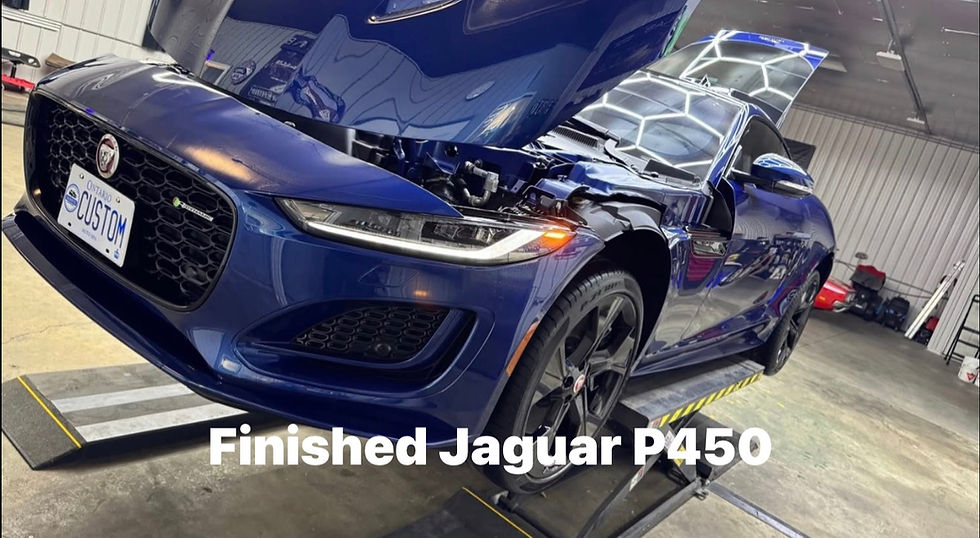
At Scott’s Custom Auto Spa, every vehicle undergoing classic car paint correction is inspected before, during, and after correction — including after all polishing residue is fully removed — so nothing is hidden and the true condition of the finish is clearly seen.
We do not rely on filler-based compounds or temporary gloss enhancers. What you see is actual correction, not a short-term improvement that washes away.
Under poor lighting, many paint defects go unnoticed. Under proper inspection lighting, swirl marks, oxidation, holograms, and prior correction work become clearly visible — especially on darker colours, older finishes, and show vehicles.
black paint
darker colours
older finishes
show vehicles
This level of inspection is what separates true paint correction from quick enhancement work.
Why environment matters for paint correction and ceramic coating
Temperature, humidity, dust control, and lighting all affect both paint correction and ceramic coating results. Classic and collector vehicles deserve a controlled indoor environment where polishing can be performed safely and coatings can cure properly.
Our climate-controlled detailing studio allows us to maintain consistent working conditions, reduce contamination, and produce more predictable results for both correction and coating work.
Ceramic coating for classic and collector vehicles
Ceramic coating can be an excellent option for classic and collector vehicles — but only when the paint has been properly prepared first. Coatings do not hide defects, which is why paint correction and preparation always come before protection.
Once corrected, ceramic coating helps:
protect against environmental fallout
reduce maintenance
improve gloss and depth
make cleaning easier
In many cases, repeated wipe-downs with detail sprays or dusting tools can slowly degrade the finish — even on vehicles that appear clean. Over time, this type of maintenance can undo previous correction work and reduce overall clarity.
Proper washing techniques and maintenance methods are just as important as the correction process itself when it comes to preserving a high-level finish.
Classic car detailing is more than just making it shine
Classic and collector car detailing is about preservation, presentation, and pride of ownership.
For some owners, it means preparing for a show. For others, it’s about the first spring drive, photos, or simply enjoying the vehicle in the garage.
Proper detailing may include:
safe wash and decontamination
paint refinement
trim-safe cleaning
glass and wheel treatment
protection tailored to the vehicle
Who this level of work is for
Refinement-level paint correction is not necessary for every vehicle — but when it is, shortcuts show immediately.
If you are looking for:
quick turnaround
lowest price
basic enhancement
this level of work may not be the right fit.
For owners who value proper preparation, careful correction, and long-term results, the difference is significant.
Classic & Collector Car Paint Correction in Brighton, Belleville & Trenton
Scott’s Custom Auto Spa provides professional classic and collector car paint correction, ceramic coating, and detailing services in a climate-controlled studio serving Brighton, Belleville, Trenton, Prince Edward County, Cobourg, and the Quinte Region.
If your classic or collector vehicle deserves proper evaluation, careful paint correction, and long-term protection — we’re here to help.
📍 Serving Brighton, Belleville, Quinte West, Prince Edward County, Cobourg, Port Hope & Napanee
📞 613-922-8846
Frequently Asked Questions
Do classic cars need paint correction before ceramic coating?
Yes. Proper preparation ensures the coating bonds correctly and preserves the finish.
Is it safe to polish old paint on a classic car?
It depends on paint type, thickness, and condition. Older finishes require a careful and controlled approach.
Can ceramic coating be applied to classic cars?
Yes. When properly prepared, ceramic coating can help protect and maintain the finish.
What defects can classic car paint correction remove?
Swirl marks, oxidation, haze, light scratches, and polishing defects can often be improved depending on the condition of the paint.
Why is a climate-controlled environment important?
It allows for consistent correction work, reduces contamination, and ensures proper coating application and curing.
Do quick detail sprays and dusting tools damage paint?
Frequent wiping — especially on dry or lightly dusty paint — can introduce fine scratches and swirl marks over time. Proper washing and maintenance methods are critical to preserving a corrected finish.



Comments